SAINT LOUIS / FROM THE DISPATCH DESK
The city is part of the route.
Local knowledge is operational knowledge. These are the questions I bring to dispatch in the Central West End, North City, and the neighborhoods around them.
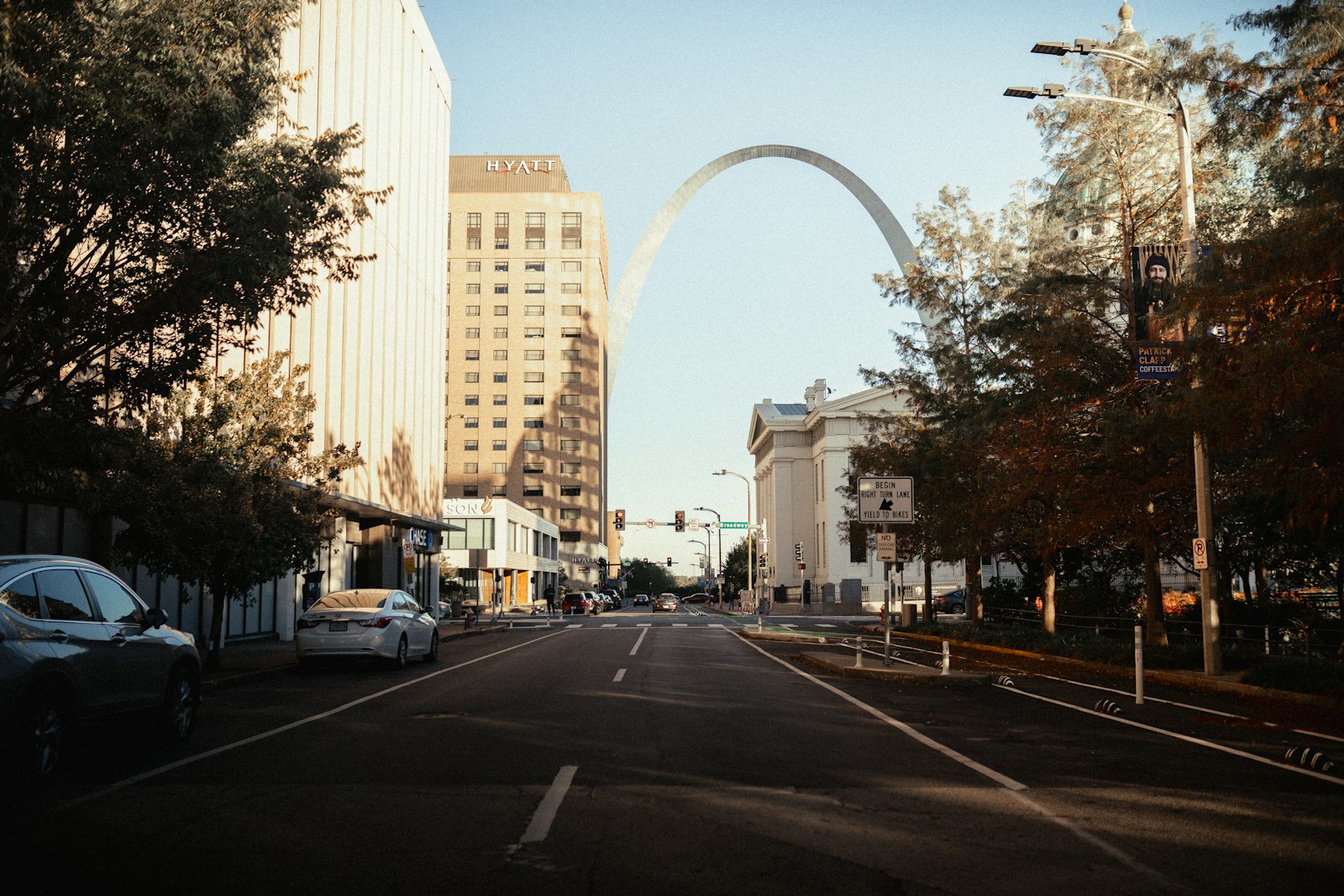
Know the place you are asking someone to work.
I’ve worked on a St. Louis rollout before, and I’m back dealing with the city’s complexity in our current operation. My route and coaching work has included the Central West End, North City, Barnes and WashU, SLU, Midtown, the Highlands, Forest Park, the Foundry, and beyond. A familiar name on a map doesn’t replace knowing how a delivery actually works there.
I want this guide to help dispatchers ask better questions and new operators prepare their teams. It is a public introduction to my approach, not a directory of private access instructions or a live report of street conditions.
Central West End: the work inside the stop.
For our city delivery work, parking, apartment access, medical campuses, mailrooms, and lockers need planning. Reaching a building is not always the same as reaching the delivery location. A single grouped stop can involve more than one entrance or handoff.
Brief unfamiliar drivers on the type of delivery they will face. Ask which locations have a restricted receiving window, what to do when access fails, and who owns the escalation. Use approved instructions and current information. Don’t improvise access or assume a customer’s preferred location is reachable.
When I analyze feasibility, I want to see travel, the walk, the access process, and the delivery work together. If that context is missing, a pace comparison can tell the wrong story.
North City: local knowledge without a label.
North City deserves the same care and specificity as every other part of Saint Louis. One neighborhood photograph cannot represent the whole area, and one delivery does not describe every block. Learn the actual route instead of assigning a reputation to it.
Listen to what the driver is seeing: the correct approach, a current obstruction, an address that needs clarification, or a place where they cannot safely stop. Give them a clear way to ask for support and document the issue. Let observations guide the next action.
Supporting a driver means being specific about the problem and respectful about the people and place. This is someone’s neighborhood, as well as someone’s workday.
What I want a new DSP to build early.
A current area reference. An involved trainer. A way to log a difficult delivery without spreading private information. A shift handoff that explains what remains unresolved. And time to listen before a repeat obstacle becomes a repeat frustration.
I keep private stop instructions, customer information, and detailed operating methods out of this guide. The lesson I can share is simple: the closer dispatch gets to understanding the real work, the more useful our support becomes.
More lessons for new DSPs →